- Tactile Indicators
- 18, 12, 2018
You might observe little domes or rounded points, slightly raised bars on the ground’s surface when crossing the street or boarding a train. Tactile Indicators are a type of tactile paving that can be felt underfoot or with a cane. They’re also known as detectable warning plates or ground surface indicators, and are an essential product in the tactile indicators manufacturing industry.
A common type of detectable warning plate is attention patterns, which are rows of truncated domes structured in a grid pattern. A guiding pattern, sometimes known as a corduroy pattern, is a typical pattern in which rows of curving narrow bars or lines serve as indicators.
Tactile paving, or a tactile indicator, delivers a message about navigation to visually impaired people. It is set at curb ramps to mark the transition from a pedestrian path to traffic or warn a pedestrian to be cautious before a flight of steps. Since its integration into the urban landscape, pedestrians with low to no vision have seen substantial improvements in accessibility and safety.
Every element of our lives has improved as a result of technological advancements. And, when it comes to accessibility, the progress is unquantifiable.
Previously, a differently-abled person could not have imagined going up and down a street without assistance. Their movement has been much increased because of the invention of stainless steel tactile studs.
Materials such as Stainless Steel 316 L (marine grade), aluminum, brass, ceramics, and concrete are preferred for tactile indicators due to their longevity and resilience to weathering agents.
WHAT ARE TACTILE INDICATORS?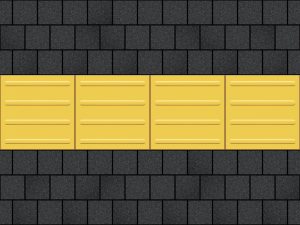
You’ve probably noticed a row of raised studs or bars, usually made of a durable material like stainless steel, leading the way while strolling through public locations. Tactile indicators are those whole rows of slightly elevated bright appearing studs.
If you look closely, you’ll notice that each stud is mushroom-shaped, and they’re generally secured to the ground by drilling.
Raw Material used for manufacturing Tactile Indicator is as follows:
These are composed of high-quality concrete and are meant to resist the toughest weather conditions while providing pedestrians with non-slip surfaces. Each bar is composed of two layers that are produced independently and then welded together. The outer layer contains an aggregate chip to provide flexibility and strength, while the top layer is designed with the perfect balance of materials to provide vibrant color while also preserving the coat from UV damage.
BENEFITS
- It’s built-in in a way that’s easy to use. Use a small expansion anchor bolt to secure the interior edges.
- The design is anti-skid. Reduce the risk of a blind slip posing a safety concern.
- Durability and environmental protection. Epoxy resin does not need to be injected.
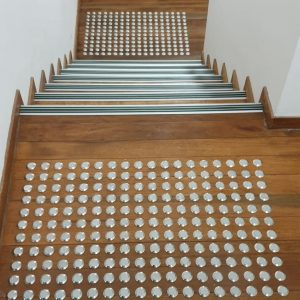
STAINLESS STEEL TACTILE INDICATORS
Tactile indicators are frequently made using this material, which has a high level of resilience and resistance to wear and tear. Tactile Indicators made of marine-grade stainless steel can serve persons with particular needs for an extended time duration, even under adverse climatic conditions. These are available in both hazard and directional tactile forms, and while their functions are identical, it is easy to distinguish between the two under ideal lighting conditions.
BENEFITS
Increased wear resistance in high-passability facilities;There’s an anti-theft feature. The SS Tactile Indicator can be kept safe by using anti-theft flat head screws.Without removing the previous flooring, the product is universal and operable.Design that is pleasing to the eye. The high-quality polished coating on steel tactile paving creates an aesthetic and elegant interior.
POLYURETHANE TACTILE INDICATORS
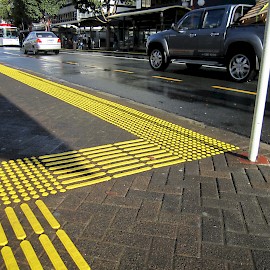 The purpose of mounted PU tactile paving is to provide information about the indoor and outdoor movement to visually impaired persons. It’s made with high-quality polyurea beads. It features overall dimensions of 300x300mm and a tactile surface that meets current national and international requirements.
BENEFITS
Mounting is simple. The polyurethane tile is adhered to the existing flooring without removing it; universality – tactile paving can be used both outdoors and indoors;Qualitative tactile effect – the best tactile raise on the paving is selected for the visually impaired, as well as wheelchair users, without making their mobility difficult; Can be washed with cleaning solutions;Injury prevention
We are India’s first and largest tactile indicator producer and supplier. Our product line includes Warning Studs, Tactile Directional Strips, Integrated Tactiles, Polyurethane PU Tactiles, Adhesive Tiles, PU Tactile Indicators, and a wide range of other safety and accessibility solutions. In addition to safety items, we offer stair nosing and anti-skit noise solutions, as well as bollards, bike racks, wheel stops, and a variety of other safety measures.
Why look elsewhere when Eminent Tactile is right here for you? We provide services ranging from consulting and planning to post-installation, all at a very moderate cost.
YOUR PROJECTS, OUR COMPONENTS!
The most common materials used for tactile indicators are Stainless Steel 316L, aluminum, brass, polyurethane (PU), ceramic, and concrete. These materials are chosen for their durability, anti-slip properties, and weather resistance.
Stainless steel, especially 316L marine grade, is used because it offers excellent corrosion resistance, long life, high strength, and premium appearance. It performs well in outdoor areas, high-traffic zones, and harsh climates.
Yes. Concrete tactile indicators are highly durable and weather-resistant. They include an aggregate top layer for anti-slip performance and UV protection, making them suitable for outdoor walkways and public infrastructure.
PU tactile indicators are lightweight, easy to install, weather-resistant, and highly tactile for visually impaired users. They can be installed over existing flooring and work well for both indoor and outdoor applications.
Stainless Steel 316L and concrete are best for outdoor use because they resist corrosion, UV damage, and heavy wear. PU is also suitable, depending on the climate and traffic load.
Minimal maintenance is needed. Occasional cleaning is enough to maintain their appearance and slip resistance. Their corrosion-resistant properties make them ideal for high-traffic or coastal environments.
Brass tactile indicators provide a premium look, high durability, and good visibility due to their golden color. They are often used in indoor architecture, commercial buildings, and areas where aesthetics matter.
Yes. PU tactile indicators offer smooth transitions and accurately raised patterns that are easy for visually impaired users to detect while remaining accessible for wheelchair users.
Stainless Steel 316L typically lasts the longest due to its exceptional strength, wear resistance, and corrosion protection. It is ideal for commercial buildings, transport hubs, and outdoor public spaces.
Stainless steel tactile studs and bars are best for high-traffic areas because they withstand constant use, resist impact, and maintain their finish over time.
Yes. PU tactile tiles and self-adhesive stainless steel or PU indicators can be installed directly over existing surfaces, making installation quick and cost-effective.
Concrete and polyurethane (PU) tactile indicators typically offer excellent anti-slip performance due to their textured surface and material properties. Stainless steel indicators with anti-slip lines also provide strong grip.
Yes. Many stainless steel tactile indicators come with anti-theft screws and secure installation methods to prevent removal in public spaces.

offer now at
Our Clients